

Psyllium Husk Dosage: How Much Psyllium Husk To Take Per Day
Thinking about adding psyllium husk to your daily routine? It's a pretty popular fiber supplement, and for good reason. It can help with a bunch of things, from keeping you regular to maybe even helping with your cholesterol. But like anything, you don't want to just go wild with it. So, how much psyllium husk per day is actually the sweet spot for safety and getting the results you want? Let's break it down.
Key Takeaways
- For most adults, a good starting point for psyllium husk is around 1 teaspoon a day, gradually increasing to about 1 tablespoon, taken up to three times daily. Always follow product instructions.
- Drink plenty of water when taking psyllium husk. This is super important to prevent choking and potential bowel blockages, and to help it work properly.
- Start with a small amount and slowly increase your intake. This gives your body time to adjust and helps avoid tummy troubles like gas or cramping.
- Psyllium husk can help with constipation, diarrhea, managing blood sugar, and potentially cholesterol levels, but it's not a magic fix for weight loss.
- Be aware of potential interactions with medications; take psyllium husk at least two hours before or after other medicines. If you have any health concerns or are on medication, chat with your doctor first.
Understanding Psyllium Husk Dosage Guidelines
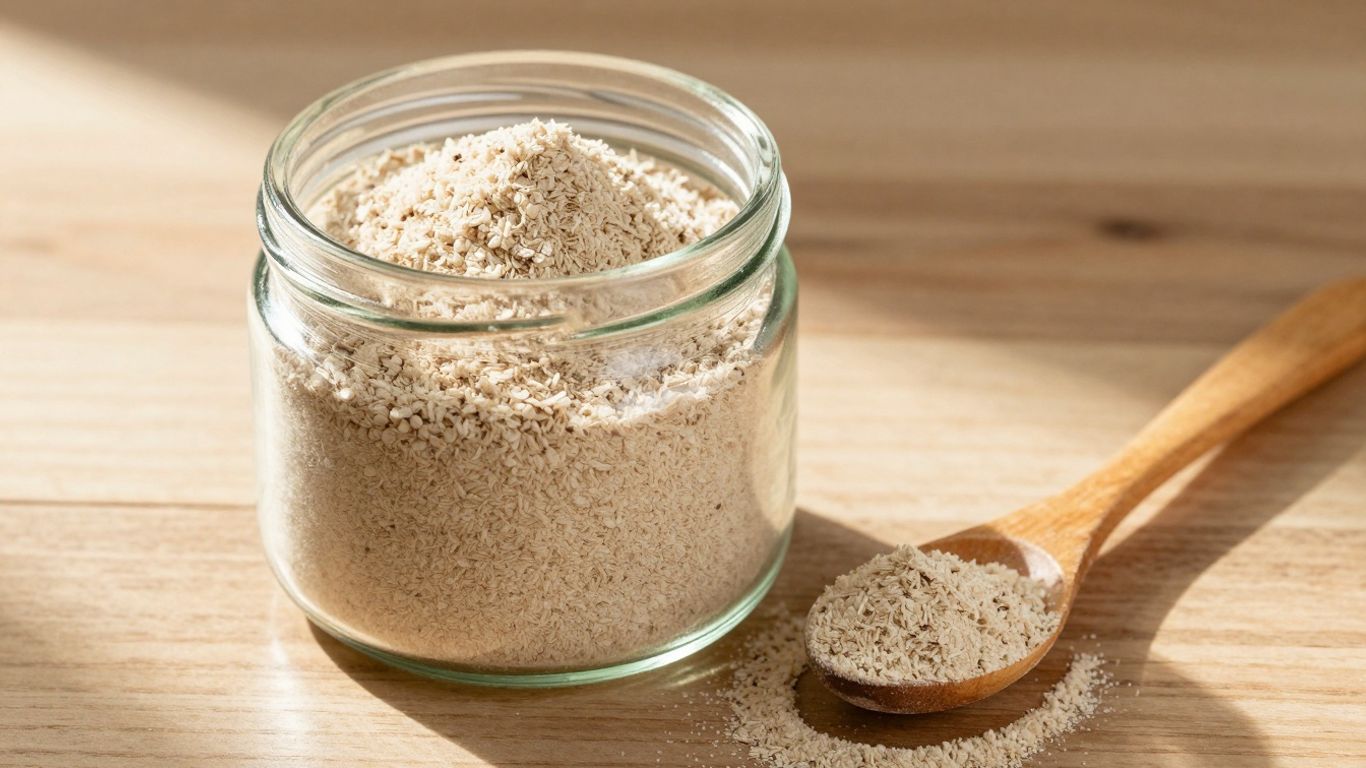
Figuring out the right amount of psyllium husk to take can feel a bit like a guessing game at first, but there are some general guidelines that can help you get started. It's not a one-size-fits-all situation, and what works for one person might need a little tweaking for another. The key is to start slow and pay attention to how your body responds.
Recommended Daily Intake For Adults
For general fiber intake, aiming for the recommended daily amounts is a good starting point. Women generally need about 25 grams of fiber per day, while men typically need around 38 grams. However, it's usually advised not to exceed 50 grams daily. Psyllium husk is a concentrated source of fiber, so you don't need a huge amount to make a difference. Many studies use daily doses that range from about 7 to 15 grams, often split into multiple servings throughout the day. For instance, taking 5 to 10 grams, three times a day, is a common approach that many find well-tolerated.
Dosages for Specific Health Concerns
When psyllium husk is used for particular health goals, the dosages can vary. For managing constipation, a common starting point is around 15 grams per day, divided into 1 to 3 doses. Some research has explored higher amounts, up to 40 grams daily, over several weeks. If you're looking at cholesterol management, studies have used doses from 2.4 to 20.4 grams per day. For blood sugar regulation, the range often falls between 3.1 and 13.6 grams daily. Even for weight management, doses around 7 to 15 grams per day have been investigated, primarily due to fiber's effect on satiety.
Starting Low and Increasing Gradually
This is probably the most important piece of advice when you're new to psyllium husk. Because it's a potent fiber source, jumping in with a large dose can lead to some uncomfortable digestive upset. Think of it like this: your digestive system needs a little time to adjust to the increased fiber load. A good strategy is to begin with a small amount, like a teaspoon (which is roughly 5 grams), once a day. Then, over a week or two, you can slowly increase the amount and frequency as your body gets used to it. Pay attention to how you feel – are you experiencing gas, bloating, or cramping? If so, you might be increasing too quickly. The goal is to find a dose that provides benefits without causing significant discomfort.
"It's really important to drink plenty of water whenever you take psyllium husk. This fiber absorbs water and swells up, which is how it works. If you don't drink enough, it can actually cause problems like constipation or even a blockage. So, always have a full glass of water with your dose, and keep sipping water throughout the day."
Optimal Timing for Psyllium Husk Consumption
When you take your psyllium husk can actually make a difference in how well it works for you. It's not just about remembering to take it; it's about strategic timing.
Taking Psyllium With Meals
For many people, taking psyllium husk with meals is the way to go. This approach can help maximize its benefits, especially when it comes to digestion and feeling full. Think of it as adding a helpful fiber boost right when your body is processing food. This timing can be particularly useful if you're looking to manage your appetite or get more out of your meals. It's generally recommended to take psyllium with food, especially if your meal contains some fat, as this can help with absorption and effectiveness. Remember to always follow the specific instructions on your supplement's packaging, as they might have tailored advice.
Importance of Meal Timing for Blood Sugar Control
If you're using psyllium husk to help manage blood sugar levels, timing becomes even more important. Taking psyllium before or during a meal can slow down the rate at which glucose enters your bloodstream. This means you're less likely to experience those sharp spikes and crashes in blood sugar after eating. Studies suggest that this pre-meal or mealtime consumption can lead to more stable blood sugar readings throughout the day. It's a simple adjustment that can have a noticeable impact on metabolic health. For those managing diabetes or looking to prevent it, this dietary strategy is worth considering. Always discuss any changes to your supplement routine with your doctor, especially if you have existing health conditions or are on medication. You can find more information on how psyllium works for blood sugar here.
"When incorporating psyllium husk into your daily routine, remember that consistency is key. While timing can optimize its effects, making it a regular habit is the most important step for long-term benefits. Don't forget to drink plenty of water with every dose to help it dissolve properly and prevent any discomfort."
Ensuring Safe Psyllium Husk Usage
When you start taking psyllium husk, it's really important to do it the right way to avoid any uncomfortable surprises. Think of it like adding a new ingredient to a recipe – you start small and see how it goes. The main thing to remember is that psyllium husk absorbs a lot of water, so you've got to help it along.
Hydration: The Key to Avoiding Side Effects
This is probably the most critical piece of advice. Psyllium husk works by soaking up water and forming a gel. If you don't drink enough water with it, that gel can become too thick and cause problems. We're talking about potential blockages in your digestive tract, which is definitely something you want to steer clear of. So, how much water is enough? A good rule of thumb is to drink a full glass (at least 8 ounces or 240 ml) of water with each dose of psyllium husk. And keep sipping water throughout the day. It's not just about the dose itself; staying hydrated generally helps your whole digestive system run smoothly.
- Always drink a full glass of water with your psyllium dose.
- Continue to drink plenty of fluids throughout the day.
- Avoid psyllium if you have trouble drinking enough fluids, like if you're bedridden.
Potential Allergic Reactions and Precautions
While psyllium is generally well-tolerated, it's not impossible to have an allergic reaction. This is more common in people who work with psyllium regularly and inhale the powder, but it can happen. If you've had reactions to other plants in the Plantaginaceae family before, it might be wise to be extra cautious. Symptoms of an allergic reaction can range from mild skin irritation to more serious breathing issues. If you notice anything unusual after taking psyllium, stop using it and talk to your doctor.
Interactions with Medications
Psyllium husk can sometimes affect how your body absorbs certain medications. Because it can slow down digestion, it might delay or reduce the amount of medicine your body takes in. It's a good idea to talk to your doctor or pharmacist about this, especially if you're on any prescription drugs. They might suggest taking your psyllium husk a couple of hours before or after your medications to minimize any interference. This is particularly important for medications that need to be absorbed quickly or have a narrow therapeutic window.
"Always consult with your healthcare provider before starting any new supplement, including psyllium husk. They can help you determine the right dosage for your needs and advise on potential interactions with your current medications or health conditions."
Psyllium Husk for Digestive Health
When you think about psyllium husk, digestion is probably the first thing that comes to mind, and for good reason. It's a superstar when it comes to keeping your gut happy and moving things along smoothly. This soluble fiber works by absorbing water in your digestive tract, forming a gel-like substance. This gel is what helps with both constipation and diarrhea, which sounds a bit contradictory, but it really does work for both.
Relief from Constipation
If you're dealing with constipation, psyllium husk can be a real game-changer. It adds bulk to your stool, which is exactly what your intestines need to get things moving. Think of it like adding more material to a conveyor belt – it makes the whole system work more efficiently. It's a gentle way to get things moving without harsh stimulants. Many people find it helps establish a regular bowel routine, so you're not just treating constipation when it happens, but preventing it from happening in the first place. For adults, a common starting point is around 15 grams of powdered psyllium husk per day, mixed with plenty of water. You can find more details on recommended daily intake for adults.
Managing Diarrhea Effectively
It might seem odd that something that helps constipation can also help diarrhea, but it's true. When you have diarrhea, your digestive system is moving too quickly, and there's often too much water in your stool. Psyllium husk absorbs that excess water, making your stool firmer and slowing down transit time. This means fewer trips to the bathroom and a more comfortable feeling. It helps regulate things by giving your gut a bit more structure and control.
Supporting Gut Health and Prebiotic Qualities
Beyond just regularity, psyllium husk plays a role in supporting your overall gut health. As a soluble fiber, it acts as a prebiotic. This means it feeds the beneficial bacteria living in your gut. A healthy gut microbiome is linked to all sorts of good things, from better immunity to improved mood. By giving these good bacteria a food source, you're helping to create a more balanced and resilient internal environment. It’s a simple addition that can have a ripple effect on your well-being.
Psyllium Husk for Metabolic Health
Beyond just keeping things moving in your gut, psyllium husk can actually play a role in managing some key metabolic markers. It's pretty interesting how a simple fiber supplement can influence things like cholesterol and blood sugar. It's not a magic bullet, of course, but it can be a helpful addition to a healthy lifestyle.
Cholesterol Management Strategies
High cholesterol, especially the LDL "bad" kind, is a concern for many. Psyllium husk, being a soluble fiber, can help here. When you take it, it forms a gel in your digestive tract. This gel can bind to bile acids, which are made from cholesterol in your liver. By binding to these bile acids, psyllium husk helps your body get rid of them. Your liver then has to pull more cholesterol from your blood to make new bile acids, which can lead to lower LDL cholesterol levels. It's a pretty neat process, really.
- How it works: Soluble fiber binds to bile acids in the gut.
- Result: The body uses more cholesterol to create new bile acids.
- Outcome: Lower levels of LDL cholesterol in the blood.
Some research even suggests that using psyllium husk alongside cholesterol-lowering medications, like statins, might make those drugs work even better. Always chat with your doctor before combining supplements with medications, though.
Blood Sugar Regulation
If you're dealing with diabetes or just trying to keep your blood sugar levels steady, psyllium husk can be a friend. Because it forms that gel-like substance, it slows down how quickly food, and the sugars from that food, get absorbed into your bloodstream. This means you're less likely to experience those sharp spikes in blood sugar after eating. It's particularly helpful when taken with meals. Some studies suggest that taking psyllium husk regularly can help improve fasting blood sugar levels too.
"Taking psyllium husk before a meal can help blunt the post-meal blood sugar rise. This effect is due to the fiber slowing down digestion and nutrient absorption."
Role in Weight Management
While psyllium husk isn't a weight-loss drug, it can certainly support your efforts. That feeling of fullness it provides is a big help. When you feel satisfied after eating, you're less likely to overeat or snack unnecessarily between meals. This can lead to consuming fewer calories overall, which is key for managing weight. Plus, by promoting regular bowel movements, it helps keep your digestive system running smoothly, which many people find beneficial when they're trying to shed a few pounds.
- Increases satiety: Helps you feel fuller for longer.
- Reduces appetite: Can decrease cravings and the desire to snack.
- Supports regularity: Aids in smooth digestive function.
Remember, psyllium husk works best as part of a balanced diet and active lifestyle. It's a tool to help you manage your appetite and feel more satisfied, not a substitute for healthy eating habits.
Common Side Effects and Considerations
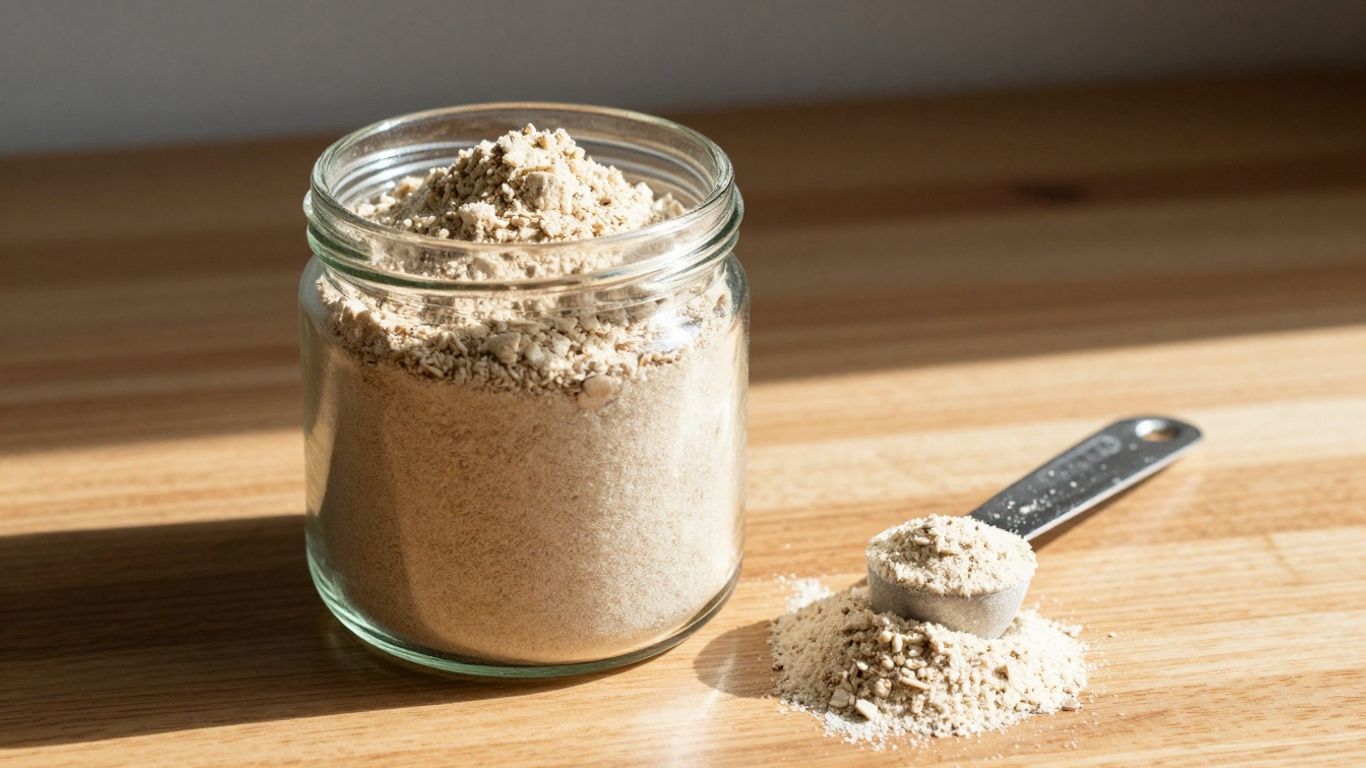
While psyllium husk is generally well-tolerated, it's not entirely without its quirks. Most people don't run into major issues, but it's good to know what might pop up.
Digestive Discomfort and Cramping
This is probably the most common thing people notice when they first start taking psyllium. Because it's a fiber that absorbs water, it can cause your digestive system to get a bit… busy. You might feel bloated, gassy, or even get some stomach cramps. It’s like your gut is adjusting to this new influx of fiber.
- Bloating: Your stomach might feel fuller than usual.
- Gas: Increased intestinal gas is pretty common.
- Cramping: Mild stomach pain or cramping can occur.
These symptoms usually aren't serious and tend to fade as your body gets used to the psyllium. The key here is to start slow and drink plenty of water, which we'll get to.
When to Exercise Caution with Psyllium
There are a few situations where you'll want to be extra careful or maybe even skip psyllium altogether. It's not for everyone, and knowing your own body is important.
- Pre-existing Digestive Issues: If you have conditions like a bowel obstruction or difficulty swallowing, psyllium might not be a good idea. It needs fluid to work properly and can cause blockages if not taken with enough water.
- Difficulty Staying Hydrated: People who have trouble drinking enough fluids, perhaps due to mobility issues or cognitive challenges, should avoid psyllium. It's a non-negotiable to have adequate water intake.
- Allergies: While rare, some individuals can have allergic reactions to psyllium. If you've reacted to other plants in the Plantaginaceae family, be cautious.
"Always chat with your doctor before starting any new supplement, especially if you have underlying health conditions. They can help you figure out if psyllium is a good fit for you."
Choosing Reputable Brands
When you're picking out a psyllium husk product, it's not just about the price. Since supplements aren't regulated by the FDA in the same way medications are, quality can vary a lot. You want to make sure you're getting a pure product without a bunch of unnecessary fillers or contaminants.
- Look for Third-Party Testing: Seals from organizations like USP (U.S. Pharmacopeia) or NSF International mean the product has been checked for purity and potency.
- Check the Ingredients: Ideally, you want 100% psyllium husk. Avoid products with added sugars, artificial colors, or flavors if you're just looking for the fiber itself.
- Read Reviews: See what other users are saying about the brand's consistency and effectiveness. Sometimes, real-world experiences can tell you a lot.
Wrapping It Up: Finding Your Psyllium Sweet Spot
So, we've talked a lot about psyllium husk. It seems like a pretty handy fiber supplement for a bunch of things, from keeping things moving smoothly in your gut to maybe helping with blood sugar and cholesterol. The main takeaway here is that starting slow is key. Everyone's body is different, so what works for one person might not be the best for another. Begin with a small amount, drink plenty of water, and pay attention to how you feel. If you're dealing with specific health issues or taking other medications, it's always a good idea to check in with your doctor before you start. But overall, psyllium husk can be a helpful addition to your routine if you're looking to boost your fiber intake.
Frequently Asked Questions About How Much Psyllium Husk To Take
How much psyllium husk should I take daily?
For adults, a common starting point is about 1 teaspoon (around 5 grams) per day. You can slowly increase this to about 1 tablespoon (around 15 grams) taken up to three times a day. It's important to follow the directions on the product you use and to listen to your body. Always start with a small amount and gradually increase it to help your body get used to the extra fiber.
What's the best way to take psyllium husk?
The most important thing when taking psyllium husk is to drink plenty of water with it. Mix the powder with a full glass of water (about 8 ounces) and drink it right away. You can also take it with other liquids like juice. If you're taking capsules, swallow them one at a time with a full glass of water. Taking it with meals can also help with blood sugar control and feeling full.
Can psyllium husk cause any side effects?
While psyllium husk is generally safe, some people might experience mild digestive issues at first, like gas, bloating, or stomach cramps. This is usually because your body isn't used to the extra fiber. Drinking enough water is key to preventing these issues and avoiding blockages. If you have trouble swallowing or a history of bowel blockages, talk to your doctor first.
How does psyllium husk help with digestion?
Psyllium husk is a type of fiber that absorbs water in your gut, forming a gel. For constipation, this gel adds bulk to your stool, making it softer and easier to pass. For diarrhea, it helps soak up excess water, making stools firmer. It also acts as a prebiotic, feeding good bacteria in your gut, which supports overall gut health.
Can psyllium husk help with weight management?
Yes, it can help! Because psyllium husk absorbs water and forms a gel, it makes you feel fuller for longer. This can help reduce your appetite and lead you to eat fewer calories. It also helps keep your digestive system regular, which is important for weight management.
Are there any reasons I shouldn't take psyllium husk?
You should be cautious or avoid psyllium husk if you have difficulty swallowing, if you have a history of bowel obstructions or spasms, or if you can't drink enough fluids. Also, if you have a known allergy to plants in the Plantaginaceae family, you should be careful. It's always a good idea to talk to your doctor before starting any new supplement, especially if you have existing health conditions or are taking medications.