

Psyllium Husk for Constipation: Dosage, Timing, and Results
Dealing with constipation can be a real pain, right? It's something a lot of us go through, and finding something that actually helps makes a huge difference. You might have heard about psyllium husk for constipation. It's a natural fiber that's been around for a while, and people use it for all sorts of things, but it's especially known for helping things get moving again. Let's break down how it works, how much you should take, and what you can expect.
Key Takeaways
- Psyllium husk is a natural, soluble fiber that works by absorbing water to create a gel, which helps to bulk up stool and make it easier to pass, effectively treating constipation.
- For adults, a common starting dose is around 15 grams per day, often split into smaller doses, but it's best to start low and gradually increase to avoid digestive upset.
- To get the best results and avoid side effects like bloating or cramping, it's really important to drink plenty of water with each dose of psyllium husk.
- While psyllium husk is generally safe and can offer other benefits like cholesterol management and blood sugar support, it's wise to talk to a doctor before starting, especially if you have other health conditions.
- Consistency is key when using psyllium husk for constipation; combining it with a healthy diet and regular exercise can lead to long-term benefits for gut health.
Understanding Psyllium Husk for Constipation
What Is Psyllium Husk?
Psyllium husk comes from the seeds of the Plantago ovata plant. It's basically a type of soluble fiber, and when you mix it with water, it turns into this thick, gel-like substance. Think of it like a sponge for your insides. It's been used for ages to help with digestive issues, and it's pretty popular for dealing with constipation.
How Psyllium Husk Works for Constipation
So, how does this stuff actually help when you're feeling backed up? It works as a bulk-forming laxative. Basically, when you swallow psyllium mixed with water, it absorbs that water in your gut. This makes the contents of your intestines swell up, creating a larger, softer mass. This bulkier stool is easier to pass because it stimulates the muscles in your intestinal walls to push things along more effectively. It's like giving your digestive system a gentle nudge to get things moving.
"Psyllium husk acts like a natural broom for your colon. It sweeps through your digestive tract, adding bulk to your stool and making it easier for your body to eliminate waste. This process helps prevent that uncomfortable feeling of being blocked up."
Psyllium Husk Versus Other Laxatives
There are a few different types of laxatives out there, and psyllium is a bit different from some of them. For instance, stimulant laxatives work by forcing your intestines to contract, which can sometimes be a bit harsh. Osmotic laxatives draw water into your colon. Psyllium, on the other hand, is a gentler option. It works with your body's natural processes by adding bulk and water to the stool. This makes it a good choice for regular, long-term use without the risk of becoming dependent on it, which can be a concern with some other types of laxatives. It's generally considered a safer bet for most people looking for consistent relief.
Optimal Psyllium Husk Dosage and Timing
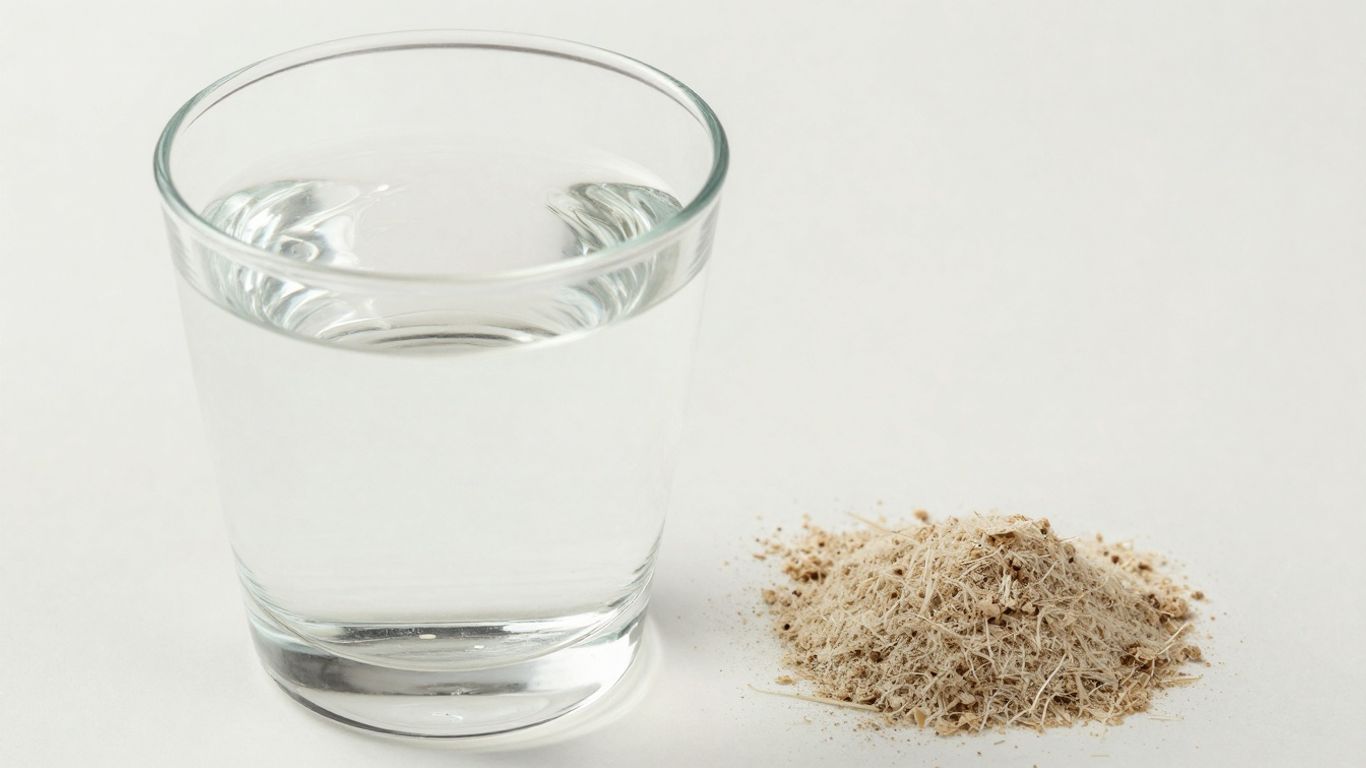
Getting the dosage and timing right with psyllium husk is pretty important if you want to avoid any unpleasant surprises and actually get the relief you're looking for. It's not like a magic pill where you just take it and everything's instantly fixed. You've got to be a bit mindful about how you use it.
Recommended Daily Dosage for Adults
For most adults dealing with constipation, a good starting point is around 15 grams of psyllium husk powder per day. This can be split into smaller doses, maybe taken 1 to 3 times daily. Some studies have looked at higher amounts, even up to 40 grams a day, but that's usually over a longer period and under observation. It's generally safe at these recommended levels, but starting slow is always the way to go.
Starting Low and Increasing Gradually
This is probably the most critical piece of advice. Jumping in with a big dose can lead to gas, bloating, and general tummy upset. Think of it like this: your digestive system isn't used to this much extra fiber all at once. So, a common recommendation is to start with just 1 teaspoon of psyllium husk powder once a day. Make sure you mix it with at least 8 ounces of water and drink another glass of water right after. After about a week, if things feel okay, you can bump it up to two doses a day, and then maybe three doses a day after another week or so. Always listen to your body; if you feel uncomfortable, just stick with the current dose or even reduce it.
When to Take Psyllium Husk for Best Results
Timing can make a difference, especially if you're looking at benefits beyond just constipation. For constipation relief, taking it consistently each day is the main thing. However, some research suggests that taking psyllium before or with meals might help with things like blood sugar regulation and appetite control. If your primary goal is just to get things moving, taking it in the morning or evening works fine, but always with plenty of water. If you're on other medications, it's a good idea to take psyllium at least two hours apart from them, as it can affect how they get absorbed.
"Remember, psyllium husk works by absorbing water. This means you absolutely must drink enough fluids throughout the day. If you don't, it can actually make constipation worse and potentially lead to blockages. So, think of water as your best friend when you're taking psyllium."
Here’s a general guideline for increasing your dose:
- Week 1: Start with 1 teaspoon once daily, mixed with 8 oz of water, followed by another 8 oz glass of water.
- Week 2: If tolerated, increase to 1 teaspoon twice daily, with water for each dose.
- Week 3 onwards: If tolerated, increase to 1 teaspoon three times daily, with water for each dose. You can gradually increase the amount per dose (e.g., to 1 tablespoon) as you get used to it, always following with plenty of water.
|
Dose Frequency |
Amount per Dose (approx.) |
Total Daily Amount (approx.) |
|---|---|---|
|
Once Daily |
1 teaspoon |
1 teaspoon |
|
Twice Daily |
1 teaspoon |
2 teaspoons |
|
Three Times Daily |
1 teaspoon to 1 tablespoon |
3 teaspoons to 3 tablespoons |
Achieving Results with Psyllium Husk
So, you've decided to give psyllium husk a try for your constipation woes. That's a great step! But like anything, getting the best results isn't just about taking it; it's about how and when you take it, and what else you're doing. Think of it like planting a seed – you need the right conditions for it to grow.
Typical Timeline for Relief
Don't expect miracles overnight. When you first start taking psyllium husk, your body is adjusting to a significant increase in fiber. You might feel a bit of bloating or gas for the first few days. This is pretty normal. Most people start noticing a difference in their bowel regularity within 24 to 72 hours. However, for more consistent and comfortable relief, it often takes about a week or two for your system to fully adapt. Patience is definitely a virtue here.
Consistency is Key for Long-Term Benefits
Taking psyllium husk sporadically isn't going to cut it for long-term digestive health. To really see the benefits, you need to make it a regular part of your routine. This means taking it at the same time each day, as recommended. Over time, consistent use helps to regulate your digestive system, making bowel movements more predictable and easier to pass. It's not just about solving a single bout of constipation; it's about building a healthier gut overall.
Integrating Psyllium Husk with Lifestyle Changes
Psyllium husk works best when it's part of a bigger picture. It's a fantastic fiber supplement, but it's not a magic bullet on its own. To really get the most out of it, pair it with other healthy habits:
Hydration: This is non-negotiable. Psyllium absorbs water, so you must drink plenty of fluids throughout the day. Aim for at least 8 glasses of water daily, and drink a full glass right after taking your psyllium.
Diet: Focus on a diet rich in whole foods, fruits, vegetables, and other fiber sources. Psyllium complements these foods; it doesn't replace them.
Movement: Regular physical activity helps stimulate your bowels. Even a daily walk can make a big difference.
Stress Management: Believe it or not, stress can mess with your digestion. Finding ways to relax can support your gut health.
Remember, psyllium husk is a tool to help your body function better. It works best when you support it with good habits. Think of it as a team effort between the supplement, your diet, your activity level, and your overall well-being.
Potential Side Effects and Precautions
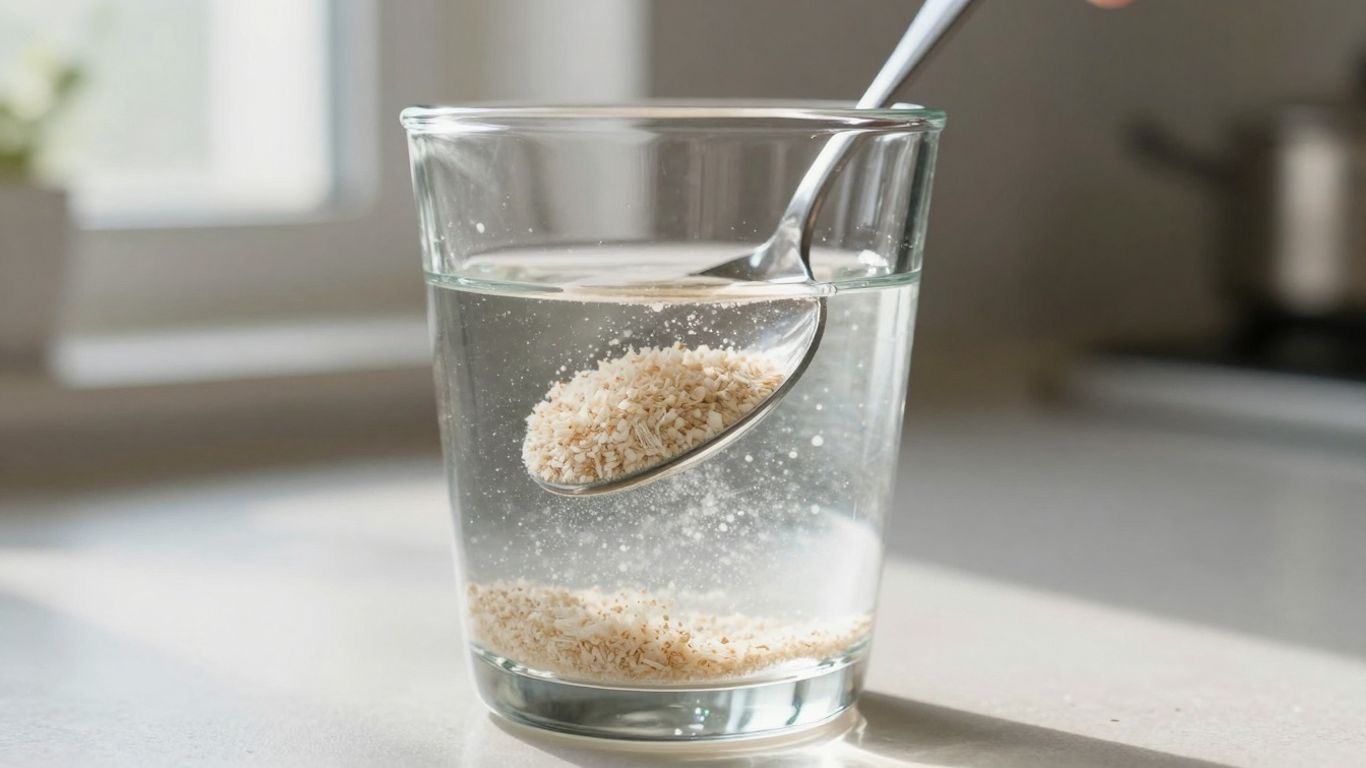
While psyllium husk is generally considered safe for most people, it's not without its potential downsides. It's important to be aware of these so you can use it effectively and safely.
Common Digestive Discomforts
When you first start taking psyllium, or if you increase your dose too quickly, you might experience some temporary digestive upset. This can include things like gas, bloating, and stomach cramps. It's your digestive system adjusting to the extra fiber. The good news is that these symptoms usually fade as your body gets used to it. Starting with a small dose and gradually increasing it is key to minimizing these initial discomforts.
Importance of Adequate Fluid Intake
This is a really big one. Psyllium works by absorbing water in your gut. If you don't drink enough fluids when you take it, it can actually cause problems. It might lead to constipation getting worse, or in rare cases, it could even cause a blockage in your throat or intestines. So, for every dose of psyllium you take, make sure you're drinking a full glass of water or another liquid. It's also a good idea to increase your overall daily fluid intake. People who have trouble drinking enough fluids, like those who are bedridden or have cognitive issues, should be cautious or avoid psyllium altogether. You don't want to risk a blockage [d27c].
When to Consult a Healthcare Provider
Most of the time, psyllium is pretty straightforward. But there are times when you should definitely chat with your doctor or a pharmacist. If you have a history of intestinal blockages, difficulty swallowing, or certain medical conditions like diabetes or heart disease, it's best to get their okay before starting. Also, if you experience severe abdominal pain, difficulty breathing, or a rash after taking psyllium, seek medical attention right away. It's also wise to let your doctor know about all the other medications and supplements you're taking, as psyllium can affect how some of them are absorbed. You shouldn't take psyllium within 2 hours of other medications to avoid this interaction.
Beyond Constipation: Other Psyllium Husk Benefits
While we often talk about psyllium husk for constipation, it's actually got a few other tricks up its sleeve. This humble fiber can do more than just keep things moving smoothly.
Cholesterol Management Support
Psyllium husk can lend a hand in managing your cholesterol levels. It works by binding to bile acids in your gut. Since bile is made using cholesterol, your body then has to pull more cholesterol from your blood to make new bile. This process can help lower your LDL, or "bad" cholesterol. Some research even suggests it can boost the effects of certain cholesterol-lowering medications.
Blood Sugar Regulation
For folks keeping an eye on their blood sugar, psyllium husk might be a helpful addition. It slows down how quickly sugar gets into your bloodstream after you eat. This can lead to more stable blood sugar levels over time. Studies have shown that taking psyllium before a meal can even help lower fasting blood sugar levels, which is particularly interesting for those managing diabetes.
Appetite Control and Weight Management
Ever feel like you're always hungry? Psyllium husk can help with that too. Because it absorbs water and forms a gel, it makes you feel fuller for longer. This can naturally lead to eating less throughout the day. Plus, by promoting regular bowel movements, it supports overall digestive health, which can indirectly aid in weight management efforts. It's not a magic bullet for weight loss, but it can be a supportive part of a healthy diet and lifestyle.
"It's important to remember that psyllium husk works best when you drink plenty of water with it. This helps it expand properly and do its job effectively. Without enough fluid, it could actually cause problems instead of solving them."
Here's a quick look at how psyllium husk can contribute to your health:
- Cholesterol: Helps lower LDL cholesterol by binding to bile acids.
- Blood Sugar: Slows glucose absorption, aiding in blood sugar stability.
- Appetite: Promotes a feeling of fullness, potentially reducing overall calorie intake.
- Gut Health: Acts as a prebiotic, feeding beneficial gut bacteria.
Choosing the Right Psyllium Husk Product
So, you've decided to give psyllium husk a try for your constipation woes. That's great! But walking down the supplement aisle can feel a bit overwhelming, right? There are so many options. Let's break down what to look for so you can pick the best product for you.
Understanding Different Forms
Psyllium husk primarily comes in a few forms: whole husk, granules, and powder. The whole husk looks a bit like tiny seeds and has a coarser texture. Granules are similar but processed a bit more. Powder is the most finely ground. The form you choose can affect how it mixes and how quickly it works. Some people prefer the powder because it dissolves more easily, while others don't mind the texture of the whole husk or granules. It really comes down to personal preference and what you'll stick with.
Flavoring and Additives to Consider
This is a big one. You'll find psyllium products that are plain, while others are flavored and sweetened. If you're sensitive to artificial sweeteners or just prefer a more natural approach, look for plain psyllium husk. Some flavored versions can be quite tasty, making it easier to take daily. However, be mindful of added sugars or artificial ingredients if those are concerns for you. Sometimes, a little splash of juice in plain psyllium is all you need to make it palatable. Remember, consistency is key, so pick a product you'll actually enjoy drinking.
Third-Party Testing and Quality Assurance
Since supplements aren't regulated by the FDA in the same way medications are, it's smart to look for brands that have undergone third-party testing. Organizations like USP (U.S. Pharmacopeia) or NSF International test products to ensure they contain what they say they do and are free from certain contaminants. This gives you an extra layer of confidence in the quality of the psyllium husk you're buying. It's worth doing a quick search to see if your chosen brand has this kind of certification. This can help you find reliable psyllium fiber supplements.
"When selecting a psyllium product, think about your personal taste preferences and any dietary restrictions you might have. Don't be afraid to try a couple of different types if the first one isn't quite right. The goal is to find something that fits seamlessly into your daily routine."
Wrapping It Up
So, psyllium husk seems like a pretty solid option if you're dealing with constipation. It's a natural fiber that helps things move along, and most people handle it just fine. Just remember to start slow with the dosage, drink a ton of water with it, and give your body some time to get used to the extra fiber. It's not a magic bullet for weight loss, but it can definitely help you feel fuller and support a healthier gut overall. And as always, if you have any health concerns or are taking other meds, it's a good idea to chat with your doctor before you start.
Frequently Asked Questions
What exactly is psyllium husk and how does it help with constipation?
Psyllium husk is basically the outer coating of seeds from a plant. Think of it like a super-absorbent sponge! When you drink it with water, it swells up in your tummy and makes your poop softer and easier to push out. It adds bulk, which helps things move along smoothly.
How much psyllium husk should I take, and when is the best time?
It's best to start small, like with one teaspoon mixed with a big glass of water, maybe in the morning. Your body will get used to it. After a week or so, you can slowly add more if you need to, maybe a second dose in the afternoon and a third at night. Always drink plenty of water with it!
How long does it usually take for psyllium husk to work?
You might feel a difference within a day or two, but it can take up to a week to really get things moving regularly. The key is to keep taking it consistently, just like you would eat healthy foods every day, to keep your digestion happy in the long run.
Can psyllium husk cause any problems?
Sometimes, when you first start, you might feel a little gassy or bloated. That's why it's super important to drink lots of water! If you don't drink enough, it could actually make things worse or even cause a blockage. If you have trouble swallowing or have certain health issues, it's a good idea to ask your doctor first.
Besides constipation, what else can psyllium husk do for my health?
Psyllium husk is a fiber powerhouse! It can help manage your sugar levels after meals, might help lower your 'bad' cholesterol, and can even make you feel fuller for longer, which could help with managing your weight. It's also good for feeding the healthy bacteria in your gut.
Are there different types of psyllium husk products, and how do I pick one?
You can find psyllium as powder, capsules, or even wafers. For constipation, the powder mixed with water is usually best. Some powders are flavored, but plain ones are often recommended so you know exactly what you're getting. Look for brands that have been checked by independent groups to make sure they're good quality.